places to visit

.

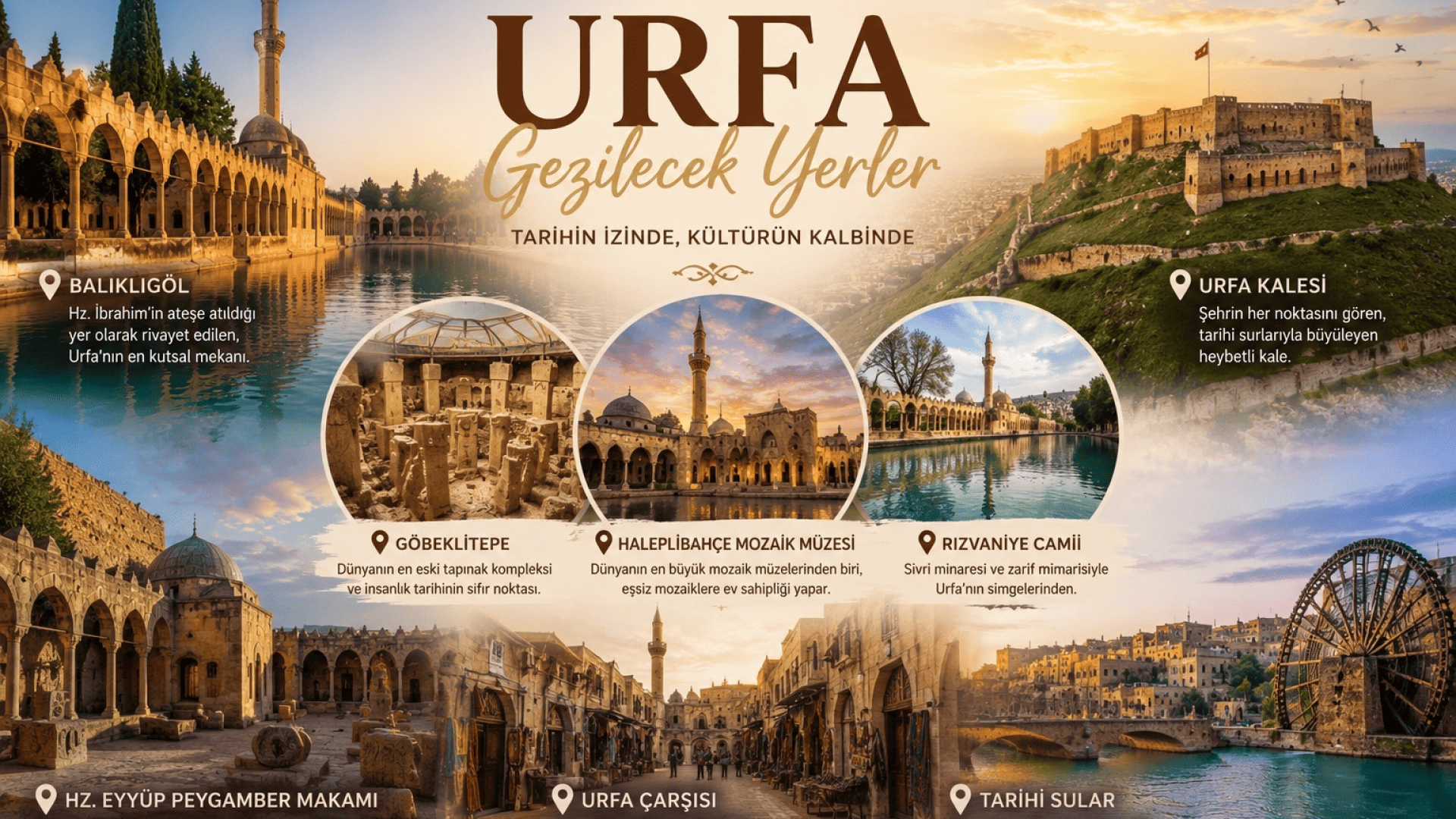
Balıklıgöl

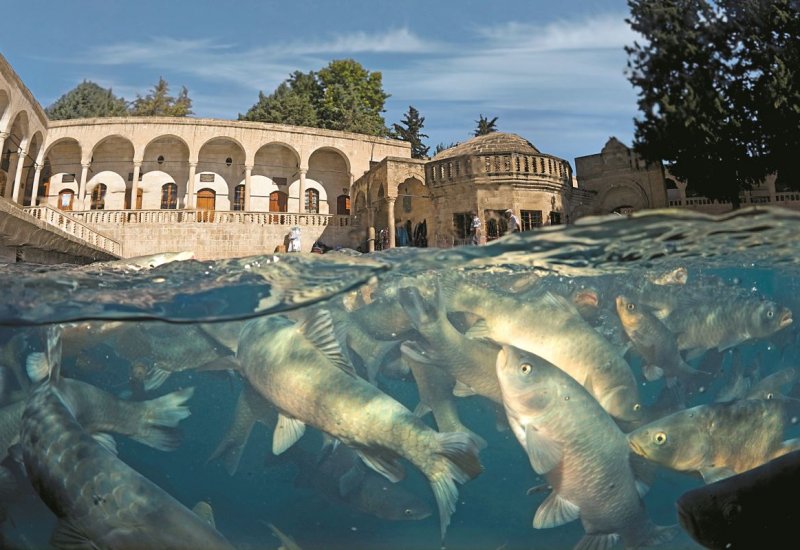
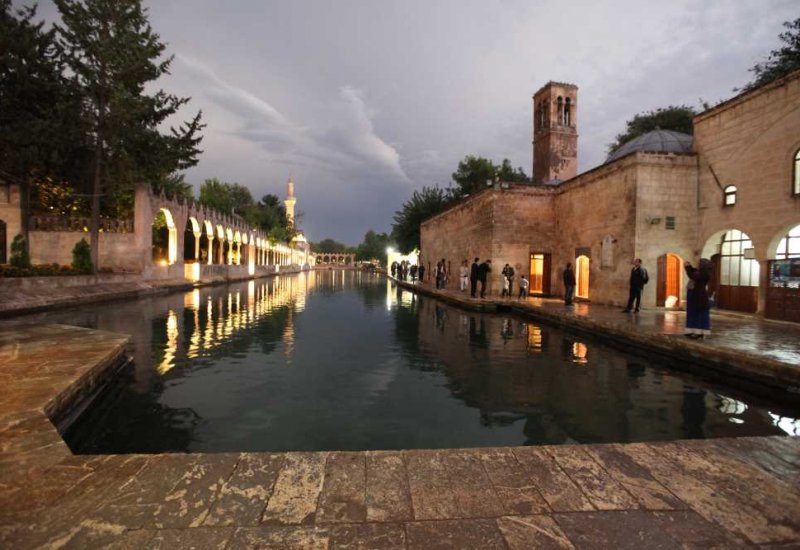
Balıklıgöl is 150 metres long and 30 metres wide. Its depth is around 3–5 metres. It is home to carp, a species of fish featured in local legends. These fish are revered by the local people and are not eaten. According to legend, after Prophet Abraham was thrown into the fire, a miracle occurred and the surroundings became a paradise. It is believed that this miracle took place at Balıklıgöl and its surroundings. The site attracts the highest number of visitors during religious festivals, as well as on the nights of Mevlit and Kandil.


The cave where Prophet Ibrahim was born is also located on the Balıklıgöl Plateau. As the forefather of the three Abrahamic religions, the cave where Prophet Abraham was born attracts a great many visitors. People of all faiths, from every country and every city, visit this cave throughout the year. Right next to the cave where Prophet Abraham was born lies the grave where Bediuzzaman Said Nursi, a religious scholar of his time, was first laid to rest after his passing.


Harran Dome Houses

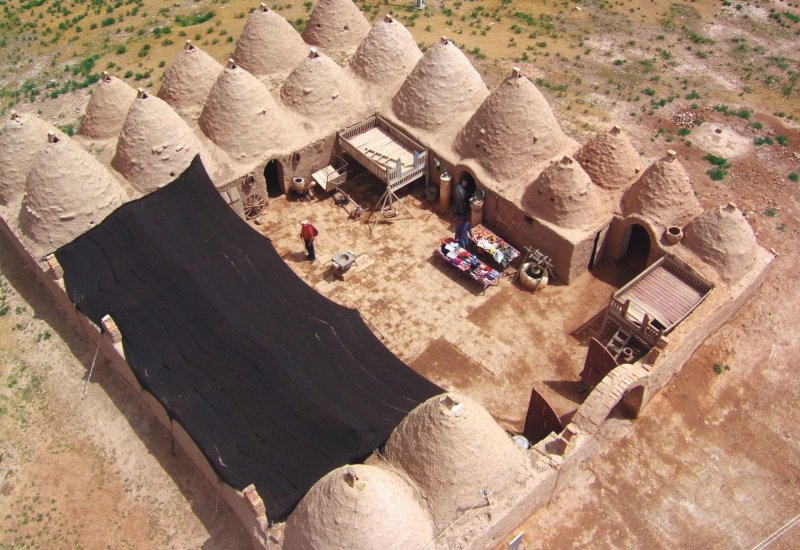
The Harran Dome Houses were built 150–200 years ago using bricks collected from the archaeological site. They are constructed using bricks laid in a corbelling technique upon a square or near-square prismatic foundation.


The mortar used in their construction contains rose oil, straw, baked earth and egg white; thanks to their architectural design and materials, these houses remain cool in summer and warm in winter, and they taper inwards from the bottom upwards. Reaching a height of up to 5 metres inside and built using 30–40 courses of brick, these houses have survived to the present day thanks to being plastered with mud both inside and out.


Göbeklitepe

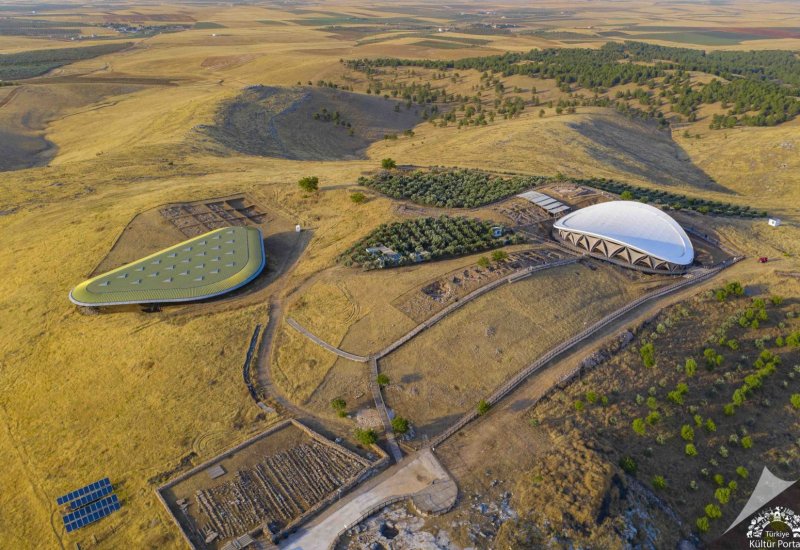
Although the discovery of Göbeklitepe dates back to 1963—a find that has opened new chapters in history and necessitated the revision of certain long-held beliefs—the first excavations did not begin until 1995.


This site, which was not used as a settlement but served solely for religious purposes, contains multiple temples. In this respect, it is recognised not only as the world’s oldest but also as its largest centre of worship.


The forms of these monumental structures—which suggest that the entire region was a centre of belief and pilgrimage during the Neolithic Age, and of which six have been unearthed to date though geomagnetic measurements indicate there are as many as 20 in total—are similar to one another. The T-shaped pillars, some reaching 6 metres in height, bear the earliest known rock carvings from the Neolithic Age—depictions of animals, some rendered in three dimensions—which also showcase the artistic talent of our ancestors.


Halil Ür-Rahman Mosque / Döşeme Mosque – Şanlıurfa

The mosque is situated next to Lake Halil Ür-Rahman (Balıklıgöl). The mosque is also known locally as the ‘Döşeme Mosque’. In 504, a church was commissioned by Priest Urbisyus in honour of the Virgin Mary, the mother of the Prophet Jesus. Recorded as the Church of the Virgin Mary, this church was converted into a mosque during the reign of the Abbasid Caliph al-Ma’mun (813–833). The minaret was restored in 1211–1212 by El Melik’ül Eşref Muzafferüddin Musa, the nephew of Saladin. The building was restored during the reign of Sultan Suleiman the Magnificent (1520–1566). In 1810, the building underwent extensive repairs. Evliya Çelebi refers to this mosque as the “İbrahim Halil Tekke” in his Seyahatname.


Saladin Mosque / St John the Baptist Addai Church

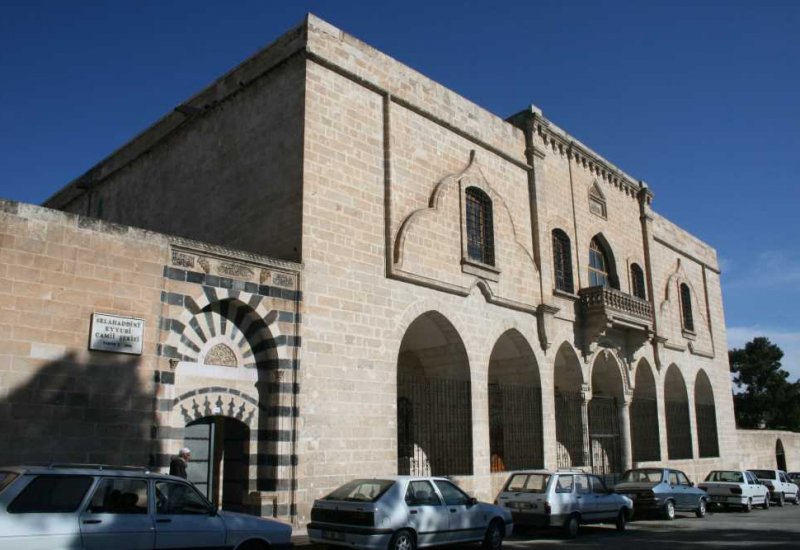
The building is situated on Vali Fuat Bey Street (Büyükyol). It is believed to have been constructed in the early 19th century on the site of the Church of St John the Baptist, which was built by Bishop Nona in 457. Due to its period and status as the largest church in the region, it was also referred to as a cathedral. The building remained in a state of disrepair for many years and was at one point used as a power station. It was restored on 28 May 1993 and opened for worship as a mosque. The mosque’s entrance faces west, and the prayer hall was constructed using the narthex (entrance area) of the former church. The prayer hall is illuminated by a large number of windows.


Book now